
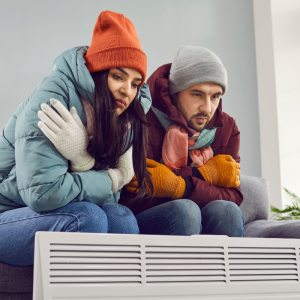
Stay warm this winter with space heaters while protecting your home or business in Council Bluffs and Omaha. Learn how to prevent overloads, choose the best heater, and reduce fire risks.
The Importance of Space Heater Safety in Winter
Space heaters are a convenient way to stay warm during the frigid winters in Omaha and Council Bluffs, but they can pose significant safety risks if misused. Overloaded circuits, fire hazards, and tripped breakers are all common problems.
Understanding how to choose the right heater and use it safely can make all the difference.
Understanding the Risks of Using Space Heaters
Before we dive into safety tips, it’s important to understand the risks associated with space heaters:
- Overloaded Circuits: Space heaters use a lot of electricity (typically 1,500 watts), which can easily overload circuits if too many devices are plugged in.
- Fire Hazards: According to the U.S. Fire Administration, space heaters are a leading cause of home heating fires.
- Tripped Breakers: A tripped breaker is a sign that your electrical system is being pushed beyond its limits.
Local Insight: In older neighborhoods of Omaha and Council Bluffs, electrical systems may not be designed to handle the high power demands of modern space heaters.
Types of Space Heaters: Pros, Cons, and What to Avoid
Not all space heaters are created equal. Knowing the differences can help you select the best option for your home or business.
1. Ceramic Space Heaters
How They Work:
Ceramic heaters use ceramic plates that heat up and a fan to blow the warm air into the room.
Pros:
- Compact and portable.
- Quick to heat small to medium spaces.
- Often include safety features like tip-over and overheat protection.
Cons:
- Not ideal for larger spaces.
- Can be noisy due to the fan.
Best Use: Perfect for small rooms or personal use, such as heating an office desk area in your Omaha home.
2. Infrared Space Heaters
How They Work:
Infrared heaters use radiant heat to warm objects and people directly, rather than the air.
Pros:
- Quiet operation.
- Energy-efficient for heating individual areas.
- Provides consistent warmth without drying the air.
Cons:
- Limited range; not effective for large spaces.
- Exterior surfaces can become hot to the touch.
Best Use: Ideal for spot heating in living rooms or workspaces.
3. Oil-Filled Radiators
How They Work:
These heaters contain oil that is heated internally and radiates warmth into the room.
Pros:
- Silent operation (no fan).
- Long-lasting heat even after being turned off.
- Low maintenance.
Cons:
- Slower to heat a room.
- Heavy and less portable.
Best Use: Excellent for sustained heating in bedrooms or home offices where quiet operation is important.
4. Fan-Forced Space Heaters
How They Work:
These heaters use an internal fan to blow air over a heating element.
Pros:
- Lightweight and inexpensive.
- Quickly heats small areas.
Cons:
- Can be noisy.
- May dry out the air.
Best Use: Affordable option for temporary heating in small rooms.
5. Propane or Kerosene Heaters (Combustion Heaters)
How They Work:
These heaters burn propane or kerosene to generate heat.
Pros:
- Extremely powerful; suitable for garages, workshops, or outdoor use.
- Operates independently of electricity.
Cons:
- Produces fumes; requires proper ventilation.
- Higher fire and carbon monoxide risks.
- Not recommended for indoor residential use.
Best Use: For outdoor spaces or well-ventilated garages in. Avoid indoor use in homes due to safety concerns.
What to Avoid: Older and Unsafe Models
Some older space heaters or budget models lack the necessary safety features, making them a higher risk for fires or electrical overloads.
Warning Signs of Unsafe Heaters:
- Lack of tip-over or overheat protection.
- Exposed heating elements.
- Frayed cords or damaged plugs.
- Heaters manufactured before modern safety standards.
Pro Tip: When upgrading, look for heaters certified by UL (Underwriters Laboratories), ETL, or CSA to ensure compliance with safety standards.
Safe Setup and Operation Tips for Space Heaters
1. Plug Directly Into a Wall Outlet
Space heaters should always be plugged directly into a wall outlet to prevent overheating of extension cords or power strips.
Local Insight: If your outlets are limited, consider having a professional electrician from PowerTech install additional outlets in your Omaha or Council Bluffs home.
2. Maintain a Safe Clearance Zone
Keep at least 3 feet of clearance around the heater on all sides to prevent nearby objects, such as curtains, urniture, or bedding, from catching fire.
3. Turn Off When Unattended
Never leave a space heater running while you’re asleep or out of the room. Always turn it off and unplug it when not in use.
4. Keep the Heater on a Flat, Stable Surface
Place the heater on a hard, non-flammable surface like tile or hardwood flooring. Avoid soft surfaces like carpets or rugs, which can trap heat and increase fire risk.
Tools You’ll Need:
- A level to ensure the surface is flat.
- A heat-resistant mat for added protection.
Preventing Overloaded Circuits
1. Know Your Circuit’s Capacity
Most household circuits are rated for 15-20 amps, equivalent to 1,800-2,400 watts. A single 1,500-watt heater can use nearly all the capacity of one circuit.
Steps:
- Locate your breaker panel and note the amperage rating of your circuits.
- Avoid plugging multiple high-wattage devices (like heaters and microwaves) into the same circuit.
2. Watch for Warning Signs of Overloaded Circuits
Signs of overloaded circuits include:
- Frequent tripping breakers.
- Flickering lights.
- Warm or discolored outlets.
- Burning smells near outlets or wiring.
What to Do: If you experience any of these issues, unplug the heater immediately and contact PowerTech in Council Bluffs or Omaha for an electrical inspection.
- Distribute Appliances Across Circuits
Avoid plugging multiple high-wattage devices (like space heaters, microwaves, or hair dryers) into the same circuit.
Example: If your space heater trips a breaker in your home, try plugging it into a different outlet on another circuit.
Energy-Efficient Alternatives to Space Heaters
- Upgrade to a Smart Thermostat: Optimizes your central heating system for better efficiency.
- Insulate Your Home: Seal drafts around doors and windows to retain heat.
- Layer Clothing: Simple adjustments to personal comfort can reduce reliance on heaters.
When to Call PowerTech
If your space heater causes frequent tripped breakers or you notice other electrical issues, it’s time to call in the experts.
PowerTech Services:
- Circuit upgrades to handle higher power demands.
- Outlet installations for safe heater usage.
- Electrical inspections to ensure your system meets modern safety standards.
Winter Safety Reminders for Space Heater Use
Do’s:
- ✅ Keep heaters away from water sources like sinks or bathtubs.
- ✅ Test smoke alarms and carbon monoxide detectors regularly.
- ✅ Follow the manufacturer’s instructions for safe use.
Don’ts:
- ❌ Don’t plug multiple space heaters into one outlet.
- ❌ Don’t place heaters on unstable or flammable surfaces.
- ❌ Don’t leave heaters running overnight.
Final Thoughts: Stay Warm and Safe This Winter
Space heaters are a great way to supplement heating during Omaha and Council Bluffs winters, but safety should always come first. Choose the right heater for your needs, use it responsibly, and watch for signs of electrical overload.
Need Electrical Help? Contact PowerTech Today!
📞 Call Us: 712-256-8702
🌐 Visit Us: PowerTechTeam.com